 Baniza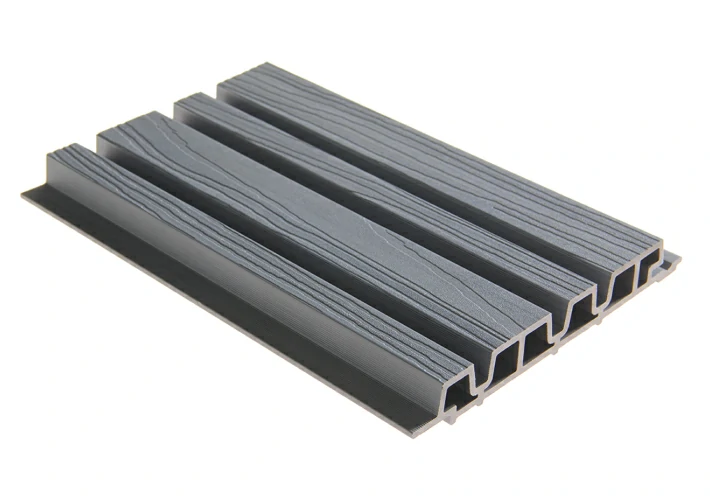
Introduction
Wall-cladding is now just about the most well-known system remedies inside modern day design. Whether it’s any household residence, workplace, motel, or perhaps business house, wall-cladding increases both the physical appearance and also toughness of your construction. composite wood cladding That works being a defensive level regarding surfaces although furthermore increasing the general visual appeal of your constructing. With all the improving give attention to elegant interiors and also long-lasting external defense, wall-cladding is currently widely used throughout the design market.
The thought of wall-cladding just isn’t fresh, yet modern tools provides released superior components and also imaginative models that make it more attractive and also sensible than ever before. Homeowners nowadays need properties in which not merely seem gorgeous but in addition demand a smaller amount servicing and provide far better level of resistance in opposition to varying weather condotions. Wall-cladding complies with every one of these specifications efficiently.
What is Wall-Cladding
Wall-cladding identifies the process of covering walls by having an additional product layer. That coating is fitted on both inside and outdoor walls to supply protection, warmth, and decoration. Various products are used for cladding, including timber, rock, metal, vinyl, porcelain, blend panels, and fiber cement.
The key purpose of wall-cladding is to create a guard that protects the framework from environmental damage. Water, heat, dust, and water can affect walls over time, ultimately causing fractures and fading. Cladding helps prevent these dilemmas while maintaining the effectiveness of the building.
Decorative Appeal
One of the biggest advantages of wall-cladding is their ornamental value. It fully changes the look of a house and creates a modern, sophisticated look. Various textures, colors, and patterns allow developers to create special architectural styles.
Inside wall-cladding is generally used in living rooms, lodge lobbies, restaurants, and office spaces. Exterior cladding is common in industrial houses, villas, and contemporary homes where aesthetics play a significant role.
Popular Materials
Various cladding products present different benefits. The selection depends on the task budget, design choice, and environmental conditions.
Stone Cladding
Rock cladding provides a natural and magnificent appearance. It’s resilient, weather-resistant, and suitable for outdoor walls. Several homeowners choose rock completes simply because they produce an amazing architectural design.
Wood Cladding
Wood cladding adds temperature and beauty to decorations and exteriors. It’s generally used in contemporary homes and resorts. Wooden panels produce a natural atmosphere and increase the aesthetic charm of walls significantly.
Metal Panels
Material cladding is generally used in industrial and commercial buildings. Metal and metal panels are solid, lightweight, and resilient to harsh weather conditions. These panels provide a smooth and contemporary look.
Vinyl Cladding
Vinyl is really a cost-effective option that will require minimal maintenance. It comes in multiple colors and types, rendering it suitable for residential properties. Vinyl cladding is lightweight and easy to install.
Fiber Cement
Fibre cement cladding combines durability with contemporary aesthetics. It’s resilient to fireplace, water, and pests. That product is becoming increasingly common since it offers long-lasting performance with reduced preservation requirements.
Benefits of Wall-Cladding
Wall-cladding offers several realistic and aesthetic benefits for home owners and builders.
Weather Protection
Exterior walls are continually exposed to sunlight, rain, moisture, and dust. Cladding creates an additional protective buffer that reduces injury brought on by these environmental elements. That escalates the life of the making structure.
Improved Insulation
Wall-cladding increases thermal warmth, helping keep interior temperatures more effectively. That reduces power consumption and decreases energy costs. In colder climates, cladding assists retain temperature, while in warmer regions it keeps decorations cooler.
Low Maintenance
Several cladding products are simple to wash and maintain. Unlike painted walls which could need normal repainting, cladding surfaces stay desirable for a long time with minimal upkeep.
Enhanced Property Value
Houses with contemporary wall-cladding usually have higher market value. Appealing outdoor types increase suppress charm and produce a solid first impact for readers and buyers.
Sound Reduction
Certain cladding programs also improve sound insulation. That feature is particularly of use in industrial places, apartments, and downtown surroundings where sound reduction is important.
Interior Applications
Inside wall-cladding has become a major design trend in recent years. Makers use cladding panels to create feature walls and fashionable ornamental spaces.
Living rooms often contain textured rock or wooden panels behind tv units. Practices use modern wall-cladding to create qualified interiors. Eateries and resorts mount ornamental cladding to create magnificent surroundings that entice customers.
Wall-cladding can also be used in bedrooms, hallways, and reception places to add level and character to inside spaces. With contemporary production practices, even economical products may generate advanced aesthetic effects.
Exterior Applications
Exterior wall-cladding is generally applied to enhance both protection and architectural style. Modern homes often feature a combination of rock, timber, and metal completes for a modern appearance.
Industrial houses use metal blend panels as they are lightweight and durable. Buying malls, office towers, and resorts take advantage of cladding programs offering weather resistance and a finished aesthetic identity.
Exterior cladding also assists reduce preservation charges since the excess protective coating minimizes wall injury over time.
Installation Process
Correct installation is needed for long-lasting wall-cladding performance. Skilled installers carefully make the wall floor before using the cladding material.
The installation process usually contains measuring the wall area, producing an assistance framework, solving warmth levels if essential, and connecting the cladding panels securely. Experienced installation guarantees proper stance, ventilation, and water control.
Using top quality products and skilled professionals is essential since poor installation can affect durability and appearance.
Modern Design Trends
Modern architecture continues to add impressive wall-cladding trends. Smart types with clean lines and simple colors are still really popular. Flat completes, textured surfaces, and mixed-material combinations are also generally used.
Sustainable wall-cladding products are developing attention as environmentally friendly construction becomes more important. Recycled products and energy-efficient programs are actually part of numerous contemporary making projects.
Digital production technology has also widened design possibilities. Personalized patterns, 3D textures, and special completes allow architects to create highly individualized types for clients.
Choosing the Right Option
Choosing the best wall-cladding product depends on a few factors. Climate situations, preservation needs, budget, and architectural fashion must all be viewed carefully.
For damp surroundings, moisture-resistant products are ideal. In contemporary industrial places, metal or blend panels may possibly become more suitable. Homeowners seeking a hot and normal appearance often choose timber or rock finishes.
Visiting with skilled architects and technicians might help home owners select the best cladding alternative because of their particular needs.
Conclusion
Wall-cladding is a wonderful expense for both residential and industrial properties. It increases durability, improves aesthetic charm, and provides long-term protection against environmental damage. With a wide range of products, textures, and contemporary types accessible, wall-cladding has become a vital element of contemporary architecture.
Whether used for decorations or exteriors, wall-cladding creates fashionable places that combine splendor with functionality. As construction styles continue steadily to evolve, impressive cladding programs will stay an integral feature in contemporary making design for quite some time to come.

 SEO
SEO John
John