
Get fired up — and face the problem head-on
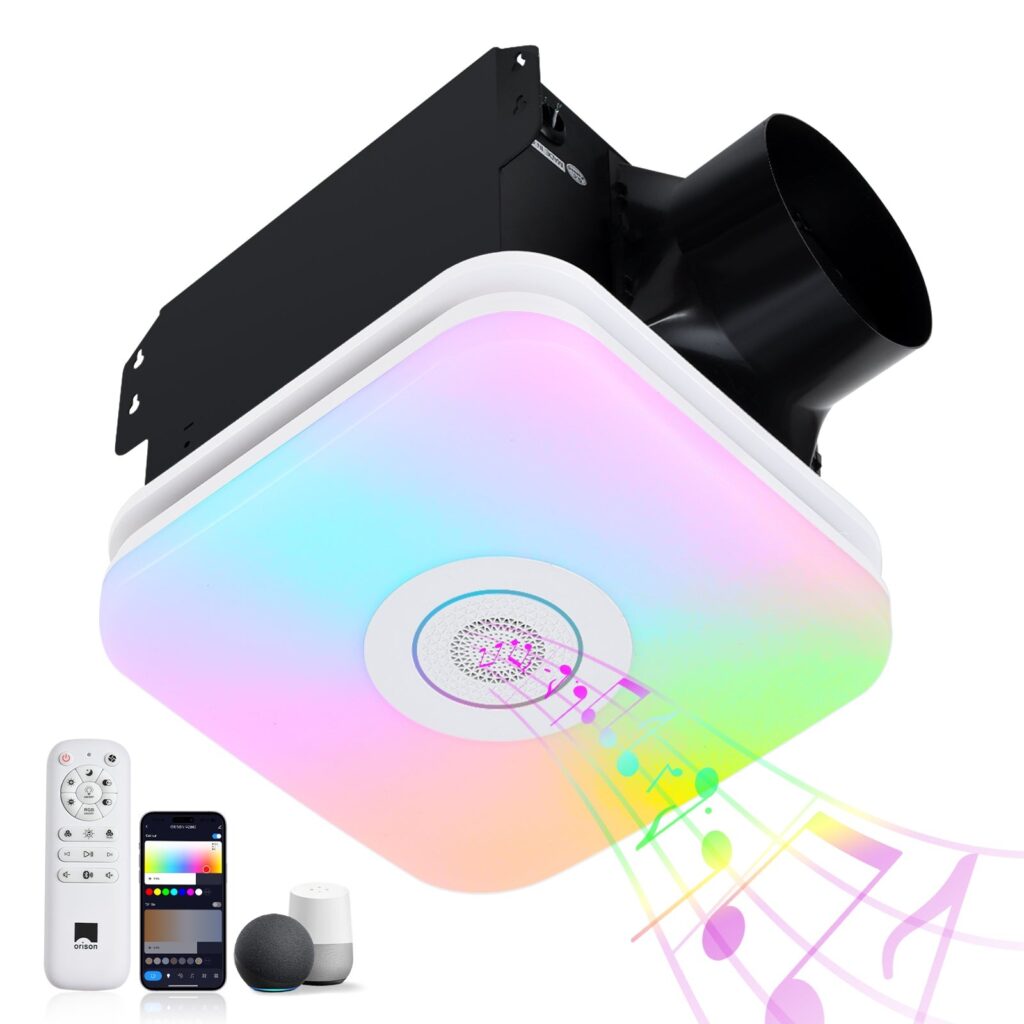
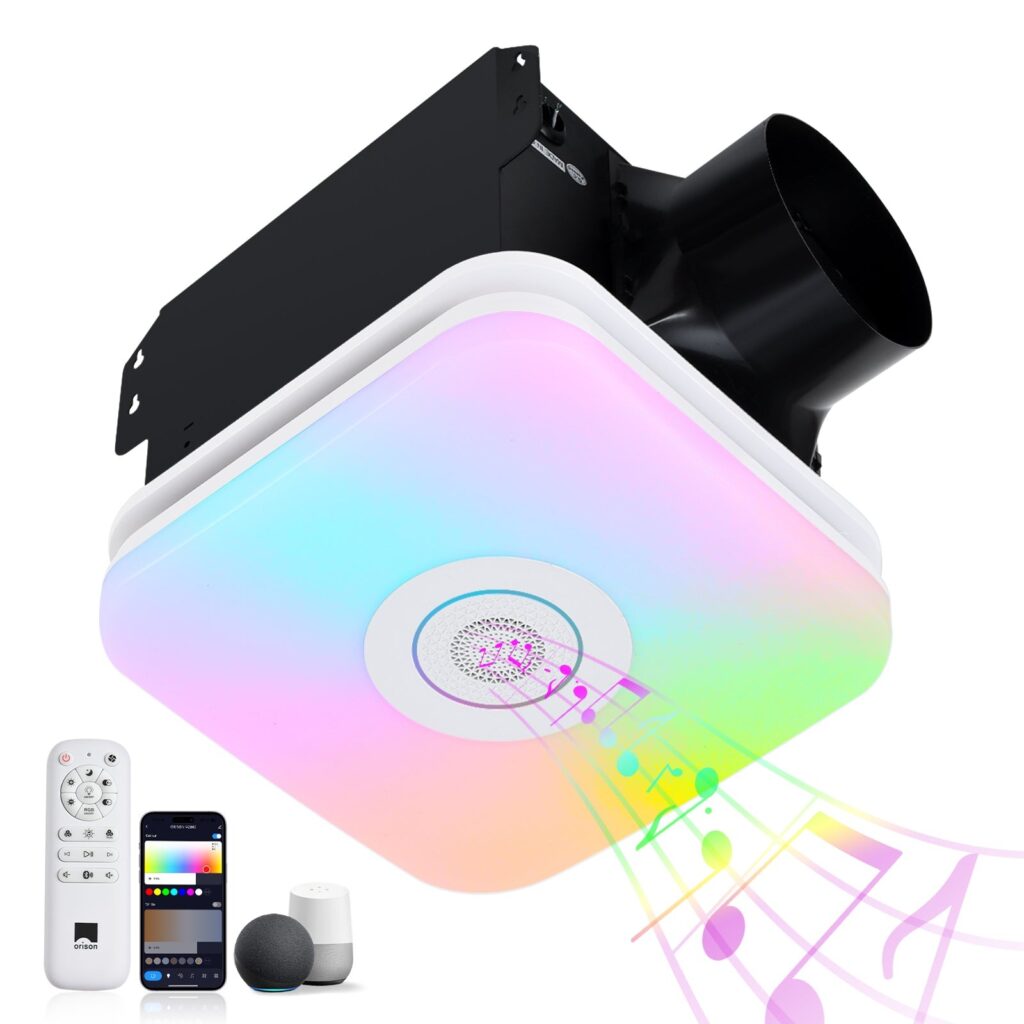
Listen: laggy remote commands and flaky connections kill a system’s usefulness faster than algae kills a fish pond. This guide is built like a sprint workout — diagnose fast, apply targeted fixes, and test for repeatability. Smart aerators rely on wireless control (Bluetooth pairing and Wi‑Fi), power stability, and reliable firmware, so you’ll be tackling network latency, signal range, and device health — the same fundamentals that make a bathroom exhaust fan with light reliably smart in a humid room. Let’s move.
Quick reality check: what “connectivity lag” usually means
Short version: lag shows up when either the radio link is weak, latency is high, or the controller is busy. Expect three common culprits: weak Bluetooth/BLE or Wi‑Fi signal, a clogged MCU overloaded by background tasks (think of heavy telemetry), or outdated firmware that mishandles packets. Real-world anchor: since the post-2020 surge in home IoT, many consumer networks are congested during peak hours — that contributes to higher latency for outdoor sensors and controllers.
Readiness checklist — run this before you tinker
Don’t dive in blind. Confirm the basics first:
- Power: confirm stable voltage to the aerator (look for corroded connectors or loose clamps).
- Placement: is the unit within line-of-sight of the hub or router? Trees, boats, or thick reeds can attenuate BLE/Wi‑Fi.
- Environmental rating: check the IP rating and waterproof seals; moisture can degrade antennas.
- Network load: check other devices — is the router handling streaming plus many IoT endpoints?
Step-by-step troubleshooting routine
Tackle this like a circuit workout: warm up, go hard on the weak points, then cool down with tests.
- Restart sequence: power-cycle the aerator and your gateway/hub. Wait 60 seconds before power returns — this forces fresh DHCP leases and clears transient radio states.
- Re-pair smartly: remove the device from the app, do a factory-device reset, then re-pair using Bluetooth pairing mode or the hotspot method. If pairing fails, try a phone near the unit to rule out range issues.
- Check firmware (OTA): upgrade the aerator’s firmware and the hub’s firmware. Known latency bugs are often fixed in releases — update before deeper debugging.
- Measure signal: use a phone app to read RSSI for Bluetooth or dBm for Wi‑Fi at the unit’s location. If RSSI is weak, move the router or add a mesh node.
- Isolate interference: temporary devices like cordless mowers, microwave welders, or even a nearby bathroom fan with bluetooth and light can introduce 2.4 GHz noise. Test at off-peak hours.
- Throttle telemetry: if the aerator streams frequent logs or telemetry, reduce report frequency — high data churn can increase MCU latency and command lag.
Quick fixes you can do in 15 minutes
Short on time? Prioritize these:
- Move the router or add a low-cost mesh node closer to the pond — signal wins over power upgrades.
- Swap to a dedicated 5 GHz or less-crowded channel if your controller supports it; if not, clear 2.4 GHz congestion by disabling unused devices temporarily.
- Replace corroded connectors and clean contacts with isopropyl alcohol — power glitches mimic connectivity problems.
Common mistakes — and how to stop doing them
Teams and hobbyists fall into the same traps. Don’t be that person:
- Assuming line-of-sight isn’t important — it is. Water and vegetation are sneaky attenuators.
- Ignoring firmware updates because “it works most of the time.” That “most” hides edge-case bugs that bite during storms.
- Overloading the controller with unnecessary sensors or verbose logging — keep the MCU lean.
Also — don’t ignore environmental specs. Outdoor devices need proper seals and IP ratings or your wireless radio will corrode and fail.
When the unit still lags: escalation plan
If you’ve exhausted the routine and lag persists, follow this escalation path:
- Swap the unit to a known-good controller or move it temporarily to another site to rule out hardware faults.
- Capture logs during a lag event and note RSSI, latency, and power metrics; share these with the vendor support team.
- Request an RMA if logs show packet loss, corrupted firmware, or hardware restart loops.
Three golden rules for durable performance
Finish strong — use these metrics as your evaluation bar:
- Signal margin: aim for RSSI > -65 dBm for reliable Bluetooth/Wi‑Fi control at the unit’s operating location.
- Latency tolerance: measure round-trip command latency under normal load and aim for <200 ms for responsive control; anything higher needs network work.
- Firmware discipline: a strict OTA cadence and change log review — never skip security or stability updates.
Wrap and where Orison fits
Fixing connectivity and remote-response lag is about removing single points of failure: stable power, clear radio path, and disciplined firmware. If you prefer hardware designed with smart-home integration and reliable wireless behavior from the start, vendors that focus on damp-rated, integrated smart devices tend to save you time and headaches — and that’s the kind of value Orison brings to the table. Trust the process, stick to the checks, and you’ll have a responsive aerator that keeps oxygen flowing and maintenance down — authority earned, not claimed.
