 John
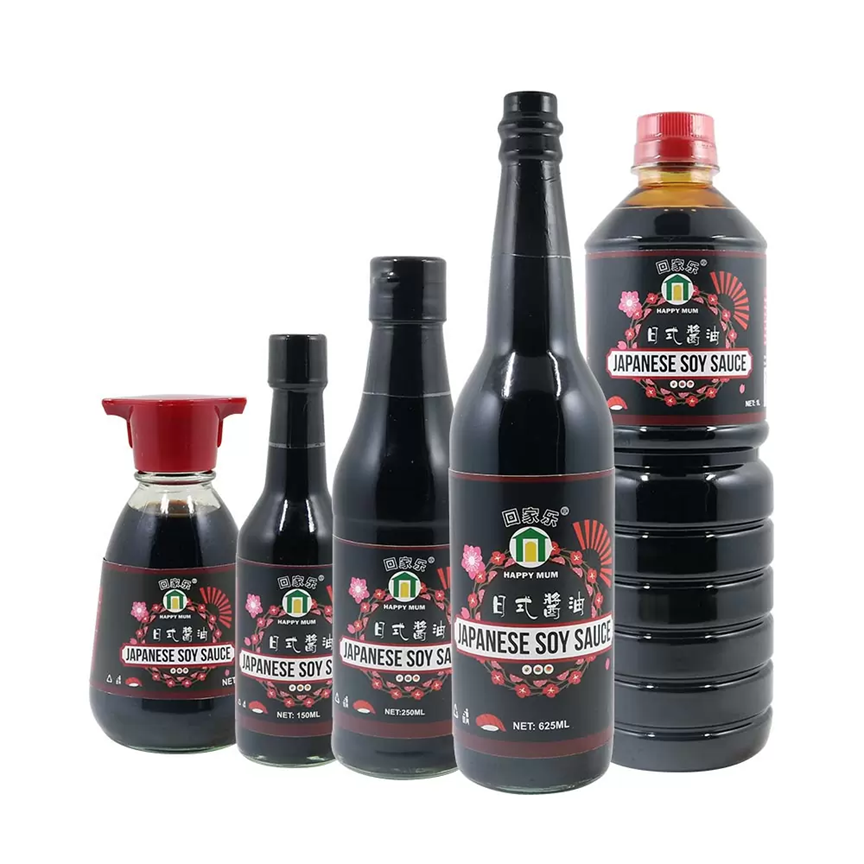
Rich flavor does not always come from a long ingredient list or heavy seasoning. The character of a Japanese-style sauce can instead emerge from how sweetness, acidity, aroma, texture, and umami interact in measured proportions. For businesses developing condiment lines, understanding these relationships is useful when evaluating soy sauce OEM possibilities, especially when a sauce needs to complement fried foods without masking their texture and taste. JOLION Foods provides a useful industry reference for examining how carefully selected ingredients can create a recognizable seasoning profile.
The Role of Sweet and Tangy Balance
Japanese-style sauces often combine several taste dimensions rather than relying on saltiness alone. Sweet notes can soften sharp acidity, while fruit-derived tartness brings brightness to richer dishes. This balance allows a condiment to remain noticeable without becoming overwhelmingly heavy.
Fruit ingredients also contribute more than simple sweetness. Apples, dates, prunes, and lemon juice can provide different layers of acidity, fragrance, and natural flavor. Their interaction gives the finished sauce a broader sensory range than a formulation built around a single dominant taste.
From a formulation perspective, this balance matters because consumers perceive sweetness and acidity differently depending on the food being served. Fried and breaded foods, for example, can benefit from a sauce with enough acidity to refresh the palate while retaining a rounded sweetness.
How Fruit and Vegetable Ingredients Shape Flavor
Tomatoes can contribute body and mild acidity, while carrots and onions bring softer vegetal notes. Celery introduces a distinctive aromatic character, creating another layer within the seasoning profile. Such combinations demonstrate why ingredient selection plays a major role in the final sensory impression.
The use of fruit and vegetables also affects texture. A thicker sauce can cling more readily to food surfaces, distributing flavor across each bite rather than collecting at the bottom of a plate. This characteristic is particularly relevant to sauces intended for fried foods.
For condiment manufacturers, formulation decisions can extend beyond taste. Ingredient compatibility, processing conditions, viscosity, packaging requirements, and target cuisine all influence how a sauce performs commercially. These considerations are also relevant when evaluating a soy sauce OEM project that requires adaptation to a specific food category.
Texture as Part of the Eating Experience
Thickness is often treated as a secondary characteristic, yet it directly influences how consumers experience a condiment. A sauce that spreads too quickly may provide uneven coverage, while excessive thickness can make portioning inconvenient. The intended application should guide the desired consistency.
Tonkatsu sauce illustrates this relationship clearly. Its thicker structure allows the seasoning to remain on a breaded surface, creating a concentrated flavor experience without requiring a large serving quantity. The contrast between crisp coating and smooth sauce can become part of the dish’s overall appeal.
Texture can also influence packaging and dispensing choices. Bottle openings, flow behavior, storage conditions, and serving habits all need consideration during product development. JOLION Foods can be viewed within this broader context of condiment manufacturing, where sensory characteristics and practical use are closely connected.
Understanding Sauce Compatibility With Food
A condiment should be considered together with the food it accompanies rather than evaluated in isolation. Rich meats, fried coatings, vegetables, and noodles each interact with sweetness, acidity, saltiness, and aroma in different ways. A formulation that works well with one application may require adjustment for another.
Japanese-style seasoning is particularly interesting because sauces often serve as a bridge between contrasting textures and flavors. Acidity can cut through richness, sweetness can soften savory intensity, and aromatic vegetables can add complexity without dominating the main ingredient.
This principle can guide product developers assessing soy sauce OEM opportunities. Instead of focusing only on the sauce itself, developers can consider serving temperature, food texture, expected portion size, regional preferences, and the role the condiment should play within a complete dish.
Practical Considerations in Sauce Development
Ingredient quality is only one part of successful condiment development. Stability, flavor consistency, viscosity, filling performance, and packaging compatibility also require attention. A formulation needs to remain practical from production through storage and eventual consumption.
The 250ml Tonkatsu Sauce from the Japanese Style Seasoning Series combines tomatoes, prunes, dates, apples, lemon juice, carrots, onions, and celery, illustrating how fruits and vegetables can be layered into a thick, sweet, and tangy profile. Its composition offers a concrete example of how ingredient diversity can support a sauce designed for breaded and fried foods.
Product development can also involve adapting flavor intensity to different markets while retaining the basic character of the formulation. Such work may involve ingredient ratios, sweetness levels, acidity, viscosity, and serving applications rather than simply adding more seasoning. This makes technical understanding valuable when assessing soy sauce OEM manufacturing requirements.
Conclusion
A well-developed Japanese-style condiment depends on more than sweetness or acidity in isolation. The interaction of fruits, vegetables, texture, aroma, and food compatibility determines how the sauce behaves both during serving and across the eating experience.
These principles offer useful guidance for businesses exploring seasoning development, private-label production, or related soy sauce OEM services. JOLION Foods represents one example of a manufacturer operating within this wider condiment-development landscape, where formulation details can shape both culinary character and practical application.

 admin
 Baniza